If you want cleaner bass tuning, safer voltage monitoring, or a straightforward way to compare system output, the right meter makes setup much easier. The best SPL meters for car audio help you dial in gain, confirm performance, and catch problems before they hurt your system.
Below, we focus on compact, practical options for enthusiasts, competitors, and everyday listeners who want reliable readings without unnecessary complexity.
Best 10 Spl Meters for Car Audio Picks for 2026
Compact Bass Lab Meter
Orignal SPL-LAB Mini Bass Meter Version 2

- 10Hz-120Hz bass-focused SPL range
- Tracks peak, average, and voltage
- Standalone plug-and-play vehicle power
Best For: Bass testing, enclosure tuning, and voltage-aware car audio checks
Basic Noise Meter
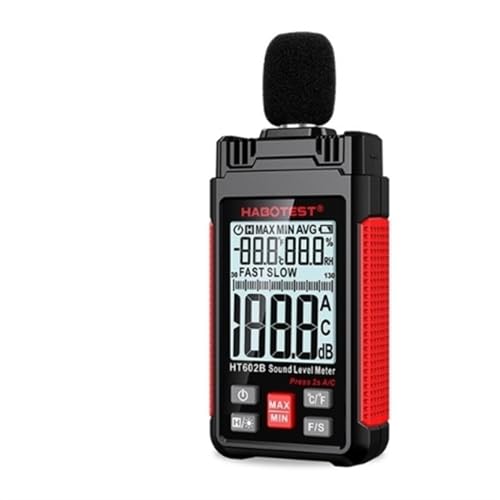
- Backlit display for easier viewing
- Data hold and auto-off functions
- Compact, lightweight design
Best For: Simple SPL readings and basic measurement tasks
Precision Bass Meter

- 20Hz-120Hz bass measurement range
- Measures SPL, voltage, frequency, and noise
- Calibrated against TERM-LAB standards
Best For: Accurate bass comparisons and in-car voltage checks
Volt Protection Sequencer
TARAMPS VTS5.1 Automotive Digital Voltmeter

- Battery voltage check on demand
- Five sequential remote outputs
- SPL mode boosts protection to about 19.5V
Best For: Voltage monitoring and sequenced car audio power control
Wireless SPL Logging Meter

- Bluetooth app support for iOS and Android
- Stores up to 20,000 data groups onboard
- 30 to 130 dBA range with calibration support
Best For: General SPL tracking with app-based logging
Voltage Protection Sequencer

- Measures vehicle battery and amplifier voltage
- Stops sequencing when voltage gets too low
- Useful for multi-product car audio setups
Best For: Voltage monitoring and equipment protection
Bass SPL OLED Meter

- Built for 10 to 100 Hz bass measurements
- Reads 120 to 180 dB in real time
- 1.3-inch OLED with fast response
Best For: Dedicated low-frequency car bass testing
Versatile all-purpose meter
35-135dB SPL Meter with Temperature
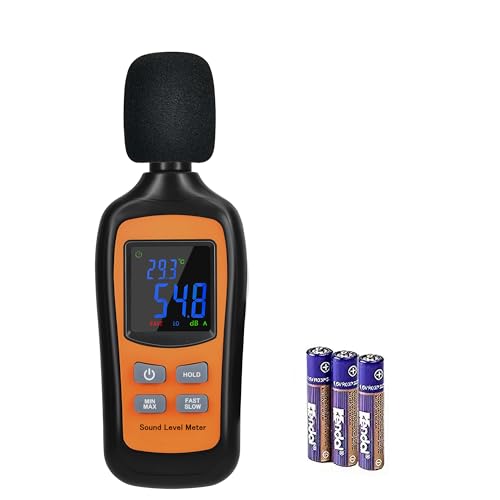
- 35-135 dB range with ±2.0 dB accuracy
- FAST/SLOW modes with Max/Min and Hold
- A-weighted readings and temperature function
Best For: Car audio checks plus home and workplace noise monitoring
Compact handheld option

- 30-130 dBA range with ±1.5 dB accuracy
- 0.5-second response and backlit LCD
- Data hold, max/min, and included 9V battery
Best For: Portable car audio and general noise measurements
Flexible A/C-weighted pick
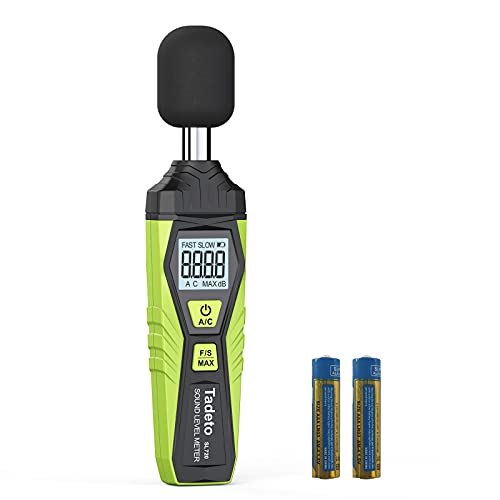
- A and C weighting for different sound types
- 30-130 dB range with ±2.0 dB accuracy
- Fast/slow response and backlit LCD
Best For: Car audio users who also measure machines or ambient noise
Compact Bass Lab Meter – Orignal SPL-LAB Mini Bass Meter Version 2
If you’re comparing spl meters for car audio, this compact bass meter is built for low-frequency testing rather than general room noise. It measures from 10Hz-120Hz and supports 110dB to 185dB readings, so it fits bass-focused tuning, enclosure checks, and system output comparisons in a straightforward standalone format.
Best For: Car audio enthusiasts who want a dedicated bass meter with voltage monitoring for testing system changes and enclosure tuning.
Pros:
- Measures low bass from 10Hz-120Hz for car audio use
- Tracks peak and average SPL during testing sessions
- Includes current, minimum, maximum, and average voltage monitoring
- Standalone plug-and-play operation from a cigarette lighter socket
Cons:
- Focused on bass testing rather than broad-purpose noise measurement
- Requires vehicle power through the included adapter setup
This is a purpose-built tool for people who want to monitor bass performance, compare changes, and evaluate system behavior without needing a computer during use.
Basic Noise Meter – M6CF SPL Meter
For shoppers comparing spl meters for car audio, this M6CF unit is a simple backlit noise meter with data hold and auto-off functionality. The supplied details are minimal, so it reads like a straightforward meter for basic SPL checking rather than a feature-heavy car audio tuning tool.
Best For: Users who want a simple, compact SPL meter with backlit display and data hold for basic measurement tasks.
Pros:
- Backlit display for easier reading
- Data hold function for capturing a reading
- Auto-off feature may help conserve power
- Very small and lightweight design
Cons:
- Supplied notes do not list frequency range or car audio-specific tuning features
- Limited product details make it harder to judge advanced use cases
As a basic SPL meter, it appears best suited to simple measurement needs where you want a compact display and hold function without extra complexity.
Precision Bass Meter – Mini Bass Meter
If you need one of the more focused spl meters for car audio, this Mini Bass Meter is designed for accurate sound pressure and voltage measurements in the bass range. It covers 20Hz-120Hz and is described as calibrated for accuracy against TERM-LAB standards, making it a practical pick for comparing system changes and in-car testing.
Best For: Car audio users who want a compact bass meter for accurate comparison testing and voltage monitoring.
Pros:
- Measures SPL, voltage, frequency, and noise level
- 20Hz-120Hz range suits bass-focused car audio testing
- Calibrated for accuracy with TERM-LAB standards
- No complex setup required for instant readings
Cons:
- Still limited to bass-oriented frequency coverage
- Product details do not emphasize modern display or data-hold features
This is a strong all-around option if your priority is straightforward bass measurement with useful voltage and frequency readouts in a compact form.
Volt Protection Sequencer – TARAMPS VTS5.1 Automotive Digital Voltmeter
Among spl meters for car audio, this TARAMPS unit stands out more as a voltmeter and sequencer than a dedicated SPL measurement tool. It provides battery voltage checking, sequential remote outputs, and an SPL mode that raises overvoltage protection from the default 16.5V to about 19.5V, which makes it useful for managing system behavior around high-output setups.
Best For: Car audio installations that need voltage monitoring, remote sequencing, and SPL mode protection management.
Pros:
- Checks battery voltage on demand
- Provides five sequential remote outputs for controlled activation
- SPL mode raises overvoltage protection to about 19.5V
- Designed to help reduce unwanted startup transients
Cons:
- Not a traditional SPL meter for sound pressure readings
- Voltage and sequencing focus may not suit users seeking direct bass measurement
This is the most utility-focused option in the group, better suited to protecting and sequencing a car audio system than measuring sound pressure itself.
Wireless SPL Logging Meter – Bluetooth Decibel Meter
If you want one of the more flexible spl meters for car audio-style sound checking, this wireless decibel meter stands out for its app-based logging and portable design. It measures from 30 to 130 dBA with +/-1.5 dB accuracy, and the Bluetooth app lets you record and export data without keeping your phone right next to the meter.
Best For: Users who want app-connected SPL logging and a compact meter for general sound-level tracking.
Pros:
- Connects to iOS and Android via app for unlimited data recording
- On-device memory stores up to 20,000 data groups
- Measures 30 to 130 dBA with 0.1 dB resolution
- Includes calibration function for a 94 dB at 1 kHz sound source
Cons:
- Its stated range is better suited to general SPL use than extreme bass testing
- Requires AAA batteries for operation
This is a practical pick if you value logging, portability, and calibration support over specialized car-bass-only features. The compact size makes it easy to move around, while the app workflow adds convenience for tracking readings over time.
Voltage Protection Sequencer – Audio Voltmeter
This is not a sound meter, but it can still be relevant when shopping spl meters for car audio if you also want to monitor system health. The DS18 VSQ1 measures vehicle battery and amplifier voltage with pinpoint accuracy and uses sequencing to delay equipment startup when voltage drops too low.
Best For: Car audio users who want voltage monitoring and protection alongside their system setup.
Pros:
- Measures vehicle battery and amplifier voltage accurately
- Sequencing can stop power-up to equipment when voltage is too low
- Designed for use with multiple products in a car audio system
- Includes instructions for displaying vehicle voltage on the screen
Cons:
- It is a voltmeter, not an SPL meter
- Does not measure sound pressure levels at all
For buyers focused on bass testing, this is the least directly relevant option in the group. It makes sense only if voltage protection and system monitoring matter more than SPL measurement.
Bass SPL OLED Meter – 9-18V Car Meter
If you need one of the more purpose-built spl meters for car audio bass checks, this model is aimed squarely at low-frequency measurement. It covers 10 to 100 Hz and reports SPL from 120 to 180 dB, with a 1.3-inch OLED display for quick real-time reading.
Best For: Bass enthusiasts who want a dedicated low-frequency SPL meter for automotive use.
Pros:
- Designed for low-frequency SPL measurement in the 10 to 100 Hz range
- Measures from 120 to 180 dB
- 1.3-inch monochrome OLED display is easy to read
- Near-instant response time helps monitor changes quickly
Cons:
- Specialized for bass frequencies rather than full-range SPL testing
- Requires a 9 to 18V supply and a wired connector setup
- Less portable than handheld battery-powered meters
This is the most car-audio-specific option here if your goal is to monitor bass output instead of general noise. The fast response and high dB range make it well suited to quick, real-time subwoofer testing.
Versatile all-purpose meter – 35-135dB SPL Meter with Temperature
If you need spl meters for car audio as well as general noise checks, this digital sound level meter gives you a practical way to monitor loudness in real time. It measures from 35 to 135 dB, includes A-weighted measurement, and adds fast/slow response modes so you can track changing sound levels more easily.
Best For: People who want a versatile SPL meter for car audio, home theaters, workplaces, and other everyday noise checks.
Pros:
- 35-135 dB measurement range with ±2.0 dB accuracy
- FAST and SLOW modes plus Max/Min and Data Hold functions
- A-weighted measurement for ambient noise monitoring
- Backlit 4-digit color LCD with low-battery indication and auto power off
Cons:
- Accuracy is listed at ±2.0 dB, not the tighter spec of some competitors
- Uses AAA batteries rather than a rechargeable power source
- Designed broadly for noise monitoring, so it is not car-audio specific
This is a solid all-purpose meter if you want one device that can handle car audio checks and everyday sound monitoring. The temperature function and simple display add convenience, while the A-weighting and response modes help with more practical readings.
Compact handheld option – 30-130dB Handheld SPL Meter
For shoppers comparing spl meters for car audio, this handheld model is a straightforward option with a 30-130 dBA range, fast 0.5-second response, and a clear backlit LCD. It is built for quick readings in audio systems and other environments where you want a compact meter you can carry easily.
Best For: Users who want a lightweight handheld SPL meter for car audio, factories, offices, and general sound checks.
Pros:
- 30-130 dBA measuring range with ±1.5 dB accuracy and 0.1 dB resolution
- 0.5-second response time for quick readings
- Backlit LCD display for easier viewing in low light
- Includes data hold, max/min measurement, and a 9V battery
Cons:
- No A/C weighting options are listed in the supplied notes
- Auto power off is fixed at 15 minutes
- Basic handheld design may not suit users wanting advanced logging features
This meter makes sense if portability and fast display are your priorities. It keeps the controls simple, includes the battery, and offers the core features most people need for routine audio or noise checks.
Flexible A/C-weighted pick – A/C Weighted 30-130dB Meter
If you want spl meters for car audio with a little more flexibility, this Tadeto sound level meter offers both A and C weighting, a 30 to 130 dB range, and fast/slow response modes. That makes it useful for ambient sound checks as well as more intense sound pressure analysis, depending on what you are measuring.
Best For: Buyers who want an easy-to-carry SPL meter for car audio, machine noise, and general environmental checks.
Pros:
- A and C weighting for different measurement needs
- 30 dB to 130 dB range with ±2.0 dB accuracy
- Fast and slow response modes for changing noise levels
- Backlit 4-digit LCD with low-voltage indicator
Cons:
- Accuracy is ±2.0 dB, which is less precise than some alternatives
- Uses manual operation rather than more automated workflows
- Supplied notes do not mention data logging or memory functions beyond Data Hold
This is a practical choice if you want A/C weighting in a portable meter without overcomplicating the setup. It covers the key basics for car audio and machine-noise checks, while the display and response options help make readings easier to work with.
How We Picked the Best Spl Meters for Car Audio
We prioritized meters that are relevant to real-world car audio use: readable displays, useful peak or max-hold behavior, fast response, and simple mounting or handheld operation. For Spl Meters for Car Audio, we also gave extra weight to models with voltage monitoring, sequencer functions, or compact designs that fit an install bay or show vehicle.
Quick Comparison
At a high level, the lineup splits into three groups: purpose-built bass meters for SPL checks, multi-function audio/voltage tools for installers, and general sound level meters that can still serve casual tuning needs. If your main goal is competition-style bass measurement, choose a dedicated bass meter first. If you want broader diagnostics, a voltmeter or meter with logging may be the better fit.
Key Buying Factors for Spl Meters for Car Audio
Measurement Range and Use Case
Check whether the meter is aimed at bass-specific peaks or general sound-level measurement. Bass-focused units are usually better for subwoofer testing, while broader meters are useful for comparing cabin noise, music playback, and system output.
Display and Readability
Look for a backlit screen, clear digits, and hold or max functions. In-car testing often happens in dim garages or at night, so visibility matters more than fancy extras.
Voltage Monitoring and Protection
Some Spl Meters for Car Audio include voltage readouts or sequencer functions. These are especially valuable if you are running high-power amplifiers and want to watch for drop voltage during heavy bass passages.
Portability and Mounting
Choose a compact meter if you move between vehicles or competition lanes. If you tune one system often, a more dedicated, mounted setup can be worth it.
Data Hold, Logging, and Peak Capture
Max hold and logging help you identify your strongest readings instead of chasing fluctuating numbers. That is useful for tuning, comparisons, and repeatable testing.
Who Should Buy Which Spl Meters for Car Audio?
Choose a dedicated bass meter if your main goal is SPL testing and subwoofer tuning. Pick a voltmeter or sequencer-style tool if you also want electrical monitoring and system protection. If you need a budget-friendly option for occasional checks, a basic digital sound level meter can be enough. For serious enthusiasts, the best choice is usually the one that balances accuracy, display clarity, and the features you will actually use every day.