Shopping for car DSP processors under 300 means balancing sound quality, channel count, tuning features, and install flexibility without overspending. The right unit can clean up factory audio, tame harsh peaks, and make your system easier to tune.
This roundup focuses on budget-friendly processors and equalizer-style DSP units that offer real value for daily drivers, upgrades, and entry-level competition builds.
Best 8 Car Dsp Processors Under 300 Picks for 2026
Best Feature-Rich Control
Taramp's Pro 2.4S DSP Crossover

- 15-band graphic EQ and parametric EQ
- Flexible crossover tuning with multiple filter types
- 2-in/4-out design with 12 preset EQ modes
Best For: Drivers building a custom system who want detailed tuning control in a compact DSP.
Best for Line-Driver Clarity
Stetsom EQX764 7-Band Car Equalizer

- 10V line driver for stronger signal output
- 4 inputs and 6 outputs for flexible installs
- Dedicated subwoofer level and frequency controls
Best For: Active or multi-amp systems that need cleaner signal strength and simple manual tuning.
Best Budget
PRV AUDIO DSP 2.4X Digital Crossover

- 2 inputs and 4 independent outputs
- 15-band EQ with 12 sound presets
- Parametric EQ and sequencer support
Best For: Drivers who want flexible tuning and a compact DSP for a more advanced car audio build.
Best for Advanced Tuning
Banda Audiopart X8AiR 8-Channel DSP
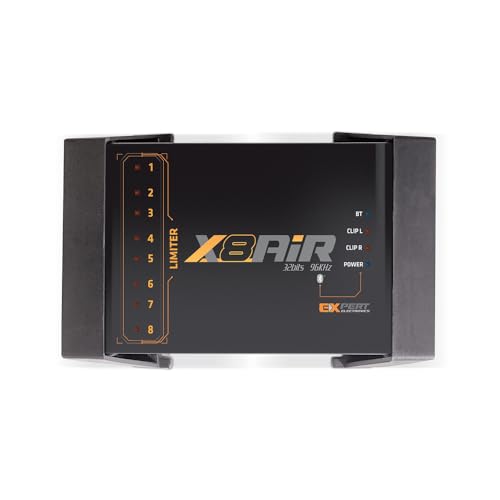
- 32-bit/96kHz processing for cleaner sound
- 79-band EQ with crossover, phase, and limiter control
- Bluetooth app control for easy real-time tuning
Best For: Drivers building a multi-channel system who want detailed app-based DSP control.
Best for Floating-Mode Tweakers
Stetsom STX2448 Floating Pro DSP

- Floating-mode DSP for flexible tuning
- RCA and high-level input support
- 15-band EQ, crossover, and limiter tools
Best For: Drivers building a tunable system with factory or aftermarket head units.
Best for Active Tuning
PRV Audio DSP 2.8X 8-Channel Processor
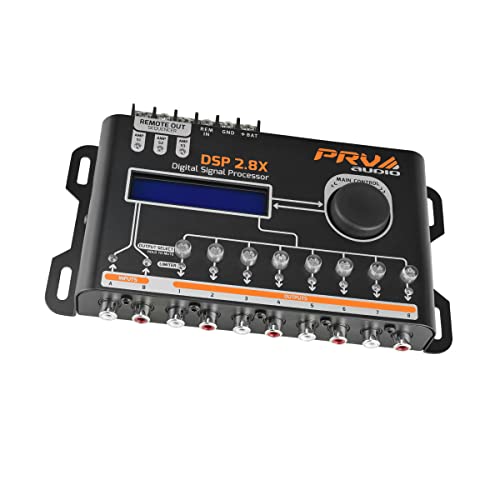
- 2 inputs and 8 independent outputs
- 15-band EQ with 12 presets
- Sequencer support for custom installs
Best For: DIY car audio builders who want hands-on DSP control and flexible channel routing.
Best Bluetooth App Control
Stetsom STX 2436 Bluetooth DSP PRO

- Bluetooth tuning with Android and iOS app support
- 12-band EQ, crossover, limiter, and voltmeter functions
- RCA and high-level inputs for factory or aftermarket integration
Best For: Drivers who want smartphone-controlled DSP tuning in a compact install.
Best for App Tuning
Taramps Pro 2.4 BT Bluetooth DSP Crossover
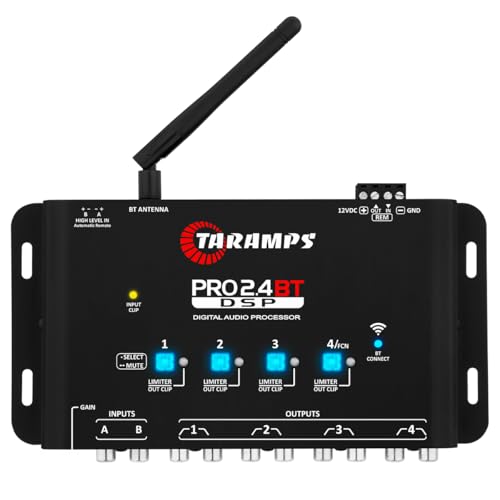
- Bluetooth 5.4 app control for real-time tuning
- 2 in / 4 out with high-level input and auto turn-on
- 24-bit/48kHz processing with 15-band EQ and limiter
Best For: App-driven tuners who need strong OEM integration and flexible DSP control.
Best Feature-Rich Control – Taramp's Pro 2.4S DSP Crossover
For shoppers comparing car dsp processors under 300, the Taramp’s Pro 2.4S stands out if you want deep tuning control without jumping into a much pricier setup. It combines a 15-band graphic EQ, a parametric EQ stage, flexible crossover settings, and multiple output adjustments, making it a strong pick for systems that need more than basic sound shaping.
Best For: Drivers building a custom 2-channel to 4-channel system who want extensive EQ and crossover control in one compact DSP.
Pros:
- 15-band graphic EQ plus a parametric EQ for detailed tuning
- Flexible crossover options with multiple filter types and slopes
- 12 preset EQ curves for quick sound changes by genre or style
- 2-channel input and 4-channel output support for versatile installs
Cons:
- Best suited to users comfortable with DSP setup and tuning
- No built-in amplifier, so it needs to be paired with external gear
If you want one of the more capable car dsp processors under 300 for hands-on system tuning, the Pro 2.4S offers a lot of processing flexibility for the money. It is especially appealing for listeners who care more about adjustability and channel control than plug-and-play simplicity.
Best for Line-Driver Clarity – Stetsom EQX764 7-Band Car Equalizer
If you want one of the more flexible car dsp processors under 300 for analog tuning, the Stetsom EQX764 is built around a 7-band graphic EQ, 4 inputs, and 6 outputs. It’s a practical pick for systems that need cleaner signal routing, sub control, and extra output voltage to help reduce noise.
Best For: Drivers building an active or multi-amp setup who want easy front/rear/sub balancing and a stronger preamp signal.
Pros:
- 10V line-driver output helps feed amplifiers with more signal strength.
- 7-band EQ plus dedicated sub level and frequency controls for useful tuning.
- 4 inputs and 6 outputs support more complex car audio layouts.
- High-level and RCA input support adds installation flexibility.
Cons:
- It’s an equalizer/line driver, not a full-featured modern DSP with app tuning.
- Seven bands offer less precision than higher-resolution DSP units.
- May be overkill for simple single-amp systems.
For shoppers comparing car dsp processors under 300, this Stetsom stands out more for signal boosting and straightforward manual control than advanced digital processing. It makes sense if your priority is stronger output, clean routing, and hands-on adjustment rather than deep software-based tuning.
Best Budget – PRV AUDIO DSP 2.4X Digital Crossover
If you want one of the more feature-packed car dsp processors under 300, the PRV AUDIO DSP 2.4X is built for users who want flexible tuning without moving into a full competition-level setup. It combines a 4-channel digital crossover, 15-band EQ, preset sound modes, and a simple LCD interface for real-time adjustments.
Best For: Drivers who want hands-on tuning control, multiple output options, and a compact DSP that can handle a more advanced car audio build.
Pros:
- 2 inputs and 4 independent outputs with selectable source routing
- 15-band graphic EQ plus 12 presets for quick sound shaping
- Parametric EQ controls for finer crossover and frequency adjustments
- Sequencer/remote trigger support for system integration
Cons:
- Not the simplest pick if you want a very basic plug-and-play setup
- Advanced tuning may take time to dial in properly
Overall, the PRV AUDIO DSP 2.4X stands out for buyers who want a compact processor with serious tuning tools rather than just a basic crossover. Among car dsp processors under 300, it makes the most sense for users who value adjustability, routing flexibility, and a more hands-on approach to sound quality.
Best for Advanced Tuning – Banda Audiopart X8AiR 8-Channel DSP
If you want one of the more capable car dsp processors under 300, the Banda Audiopart X8AiR stands out for its 32-bit/96kHz processing, 8-channel output, and detailed tuning tools. It’s a strong fit for drivers who want more control than a basic EQ or line output converter can offer.
Best For: Enthusiasts building a multi-amp system who want app-based tuning, flexible crossover control, and clean signal management.
Pros:
- 32-bit/96kHz DSP for precise, cleaner sound shaping
- 79-band EQ plus crossover, time alignment, phase, and limiter controls
- Bluetooth and app control make tuning easier from your phone
- 4 inputs and 8 outputs support more complex systems
Cons:
- May be more DSP than casual users need
- Best results depend on careful setup and tuning
- Not the simplest plug-and-play option for first-time installers
Overall, the X8AiR is a compelling pick if you’re comparing car dsp processors under 300 and care more about tuning depth than basic convenience. It offers the kind of control that can noticeably improve factory or aftermarket systems when installed and adjusted properly.
Best for Floating-Mode Tweakers – Stetsom STX2448 Floating Pro DSP
If you’re comparing car dsp processors under 300 and want a feature-packed tuning unit, the Stetsom STX2448 Floating Pro stands out for its floating DSP mode, dual-input support, and flexible crossover/EQ tools. It’s aimed at drivers who want deeper system control without stepping into a much higher price tier.
Best For: Car audio builders who want advanced tuning options, RCA or high-level input compatibility, and extra control over system response.
Pros:
- Floating-mode DSP adds extra configuration flexibility for complex installs
- Works with both RCA and high-level factory stereo inputs
- Includes crossover, 15-band graphic EQ, subharmonic bass, and limiter tools
- Input level adjustment with clip indicators helps protect gain staging
Cons:
- More advanced than a simple plug-and-play processor
- May be overkill if you only need basic EQ correction
- Setup and tuning can take time for first-time users
For shoppers comparing car dsp processors under 300, this Stetsom makes sense if you want a more serious tuning platform and can handle a learning curve. It’s a strong fit for systems that need flexible input options and detailed sound shaping.
Best for Active Tuning – PRV Audio DSP 2.8X 8-Channel Processor
If you want one of the more hands-on car dsp processors under 300, the PRV Audio DSP 2.8X is built for real-time tuning with a simple LCD interface and flexible crossover control. It gives you 2 inputs, 8 independent outputs, and enough EQ tools to fine-tune a system without paying for a more advanced processor.
Best For: DIY installers and budget-minded buyers who want manual control, multiple outputs, and sequencer support for a full car audio setup.
Pros:
- 8-channel output with selectable source routing for flexible system setups
- 15-band graphic EQ plus 12 presets for quick tuning options
- Parametric EQ controls help with more detailed sound shaping
- Sequencer/remote trigger support adds useful install convenience
Cons:
- Interface is practical, but not as polished as higher-end DSP units
- Best suited to users comfortable with manual tuning
Overall, the PRV DSP 2.8X is a strong fit if you need lots of channel control and tuning flexibility in the car dsp processors under 300 category. It is especially appealing for custom installs where routing, crossover management, and quick preset-based adjustments matter.
Best Bluetooth App Control – Stetsom STX 2436 Bluetooth DSP PRO
For shoppers comparing car dsp processors under 300, the Stetsom STX 2436 stands out for app-based tuning, a compact footprint, and flexible input support. It’s a practical choice if you want to shape your sound from a phone or tablet without giving up crossover control, limiter protection, or basic system monitoring.
Best For: Drivers who want smartphone tuning and a compact DSP for factory or aftermarket systems.
Pros:
- Bluetooth control with Android and iOS app support
- 12-band graphic EQ plus crossover, filters, limiter, and voltmeter tools
- RCA and high-level inputs make it easier to integrate with factory head units
- Small, lightweight design that fits cleanly into tight installs
Cons:
- App-based setup may feel less intuitive than knob-and-screen units
- Bluetooth range is limited in obstructed environments
- Not the most feature-rich option for advanced multi-channel builds
Overall, the STX 2436 is a strong fit if you want easy wireless tuning and core DSP tools without overspending. Among car dsp processors under 300, it’s especially appealing for factory-radio upgrades and compact systems where app convenience matters most.
Best for App Tuning – Taramps Pro 2.4 BT Bluetooth DSP Crossover
If you want one of the more flexible car dsp processors under 300, the Taramps Pro 2.4 BT is built for hands-on tuning and clean system integration. It combines Bluetooth app control, a 15-band graphic EQ, crossover tools, and multiple inputs and outputs so you can shape sound for daily drivers, OEM upgrades, and larger custom builds.
Best For: Drivers who want app-based DSP tuning, factory radio integration, and a feature set that goes beyond basic equalizers.
Pros:
- Bluetooth 5.4 app control makes tuning fast and convenient from your phone or tablet.
- Flexible setup with 2 inputs, 4 outputs, high-level input, and auto turn-on for OEM systems.
- Strong tuning toolkit with 24-bit/48kHz processing, 15-band EQ, delay, phase, and limiter controls.
- Up to 9V RCA output helps support cleaner signal delivery in more demanding installs.
Cons:
- Not the simplest plug-and-play option for first-time DSP users.
- App-based tuning may take time to learn if you are new to DSP setup.
For shoppers comparing car dsp processors under 300, this Taramps unit stands out for its mix of app control, broad compatibility, and tuning depth. It is a practical pick if you want a serious upgrade without jumping into a much more expensive processor.
How We Picked the Best Car Dsp Processors Under 300
For Car Dsp Processors Under 300, the most important factors are usable EQ resolution, crossover control, input/output flexibility, and whether the processor fits your system’s speaker layout. We also looked for models with practical features like remote turn-on sequencing, high-level inputs, app control, and decent output voltage for cleaner signal transfer.
Because this price range is about value, we prioritized units that deliver the most tuning control per dollar rather than the most extreme feature lists.
Quick Comparison
Use channel count as the first filter: 2- to 4-channel units are usually best for basic front-stage upgrades, while 6- to 8-channel options make more sense for active systems or more complex installs. If you want easier tuning, look for Bluetooth/app support; if you want straightforward setup, a traditional front-panel or remote-adjusted DSP may be better.
Key Buying Factors for Car Dsp Processors Under 300
Inputs and Outputs
Match the processor to your source unit and amplifier layout. High-level inputs help with factory radios, while multiple outputs are useful if you plan to run front/rear, subwoofer, or active speaker setups.
EQ and Crossover Control
More EQ bands can help fine-tune problem frequencies, but the quality of the crossover and delay tools matters just as much. A simpler processor with solid crossover options may outperform a feature-heavy model that is hard to dial in.
Signal Level and Noise Handling
In this category, output voltage and line-driver capability can make a noticeable difference. Higher signal levels often help reduce noise and improve integration with amplifiers, especially in systems with long cable runs.
Control Method
Some buyers prefer app-based tuning for convenience, while others want a set-and-forget setup. Choose the interface you’ll actually use, since easy access to tuning usually leads to better results.
Install Complexity
Make sure the processor matches your comfort level and your installer’s plan. Sequencing, remote relay support, and flexible wiring can simplify integration, especially in factory-amplified vehicles.
Who Should Buy Which Car Dsp Processors Under 300?
If you want a basic but capable tuning upgrade, choose a simpler 2- or 4-channel DSP/equalizer. If your system is growing or you want active tuning flexibility, an 8-channel model is the better long-term move. For factory systems or noisy installs, prioritize units with high-level input support and strong output voltage. If you want the easiest day-to-day tuning experience, look for Bluetooth and app control in the shortlist of Car Dsp Processors Under 300.
In short: buy for your system layout first, then choose the feature set that makes tuning easier rather than more complicated.