Alternator whine, ground-loop hum, and random static can ruin an otherwise great car audio setup. The right filter can clean up the signal fast.
Below, we’ve rounded up 10 of the best options for different connections, power needs, and system layouts so you can choose with confidence.
Best 10 Car Audio Whine Noise Filters Picks for 2026
Best for Alternator Whine
RECOIL MGLI 2-Channel RCA Noise Isolator

- Reduces ground-loop hum and alternator whine
- Compact inline RCA design for tight installs
- Permalloy transformers help minimize signal loss
Best For: Drivers fighting RCA-related hum who want a compact, easy inline filter.
Best Value
Install Bay IBNF10 10A Noise Filter

- Filters 12V car audio noise from alternators and ignition sources
- Compact 10-amp option for straightforward installs
- Designed with a secure fit for real-world use
Best For: Drivers and installers needing a compact 10-amp filter for alternator whine in 12V audio systems.
Best for Simple RCA Fixes
DS18 NF1 RCA Ground Loop Isolator

- Cuts alternator whine and static in RCA lines
- Inline plug-and-play installation
- Full-range audio support from 20Hz–20KHz
Best For: Drivers needing a quick RCA-based fix for amplifier or stereo noise.
Best for EMI & Ground-Loop Fixes
Car Power EMI Noise Filter 12V
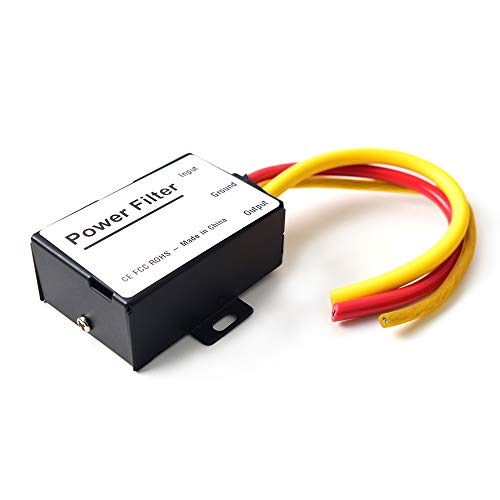
- Reduces EMI, ignition noise, and ground-loop interference
- Compatible with most 12V car audio components
- Compact inline design for stereo and amp setups
Best For: Drivers trying to clean up electrical noise in a 12V car audio system.
Best for No-Bass-Loss Fix

- Reduces hum, buzz, and alternator whine
- Designed to preserve bass response
- Easy inline RCA plug-and-play setup
Best For: Car and home audio users who want a simple RCA noise filter that keeps bass intact.
Best Ground Loop Fix

- Reduces alternator whine and ground loop noise
- Works with stereo, EQ, amp, and subwoofer setups
- Compact inline design for easy placement
Best For: Drivers needing a simple signal-line fix for aftermarket car audio noise.
Best for RCA Signal Noise Fixes
RCA Ground Loop Isolator for Car Audio

- Reduces hum and buzzing from ground loop issues
- Simple inline RCA installation
- Filters DC current in the signal path
Best For: Drivers and DIY installers who need an affordable way to reduce RCA hum and alternator whine.
Best for Easy 3.5mm Hookups

- Blocks common hum and alternator whine
- Simple plug-and-play 3.5mm inline setup
- Aluminum shell adds durability
Best For: Drivers and home audio users who need a quick 3.5mm noise fix without rewiring.
Best Budget Fix
Car Power Filter Noise Isolator

- Fits most 12V car audio gear
- Reduces static, whine, and interference
- Easy to install for quick noise cleanup
Best For: Budget-minded drivers who need a simple 12V noise filter for basic car audio interference.
Best for 4-Channel RCA Setups

- Targets hum and alternator whine in RCA systems
- Advertised to keep bass intact
- Easy plug-and-play installation
Best For: RCA-based car or home audio systems needing a straightforward noise fix.
Best for Alternator Whine – RECOIL MGLI 2-Channel RCA Noise Isolator
If your system has a stubborn hum or alternator whine, this RECOIL unit is a practical pick among car audio whine noise filters. It is designed to sit between an RCA source and amplifier, helping clean up ground-loop noise without adding much bulk to the install.
Best For: Drivers dealing with alternator whine or ground-loop hum between a head unit and amp who want a compact RCA inline fix.
Pros:
- Targets ground-loop hum and alternator whine at the RCA signal path.
- Uses permalloy transformers for lower signal loss and cleaner response.
- Very compact housing fits tight aftermarket audio installs.
- Oxygen-free copper shielding helps preserve signal quality.
Cons:
- Won’t fix radio static, antenna noise, or speaker distortion.
- Only works with RCA audio connections, not every system layout.
For buyers comparing car audio whine noise filters, this model stands out for its focused noise-reduction approach and small footprint. It is a smart choice when the problem is clearly ground-loop related and you want a simple inline remedy rather than a bigger wiring overhaul.
Best Value – Install Bay IBNF10 10A Noise Filter
If you’re trying to clean up alternator hiss or ignition-related interference, this Install Bay unit is a straightforward option among car audio whine noise filters. It’s designed for 12V car audio systems and is aimed at installers who want a simple in-line fix for induced noise.
Best For: Drivers and installers needing a compact 10-amp filter to reduce whine from alternators and other ignition sources in 12V audio setups.
Pros:
- Targets induced noise from alternators and ignition sources
- Built for 12V car audio products
- Secure-fit design suited to real-world install use
- Simple, practical choice for noise troubleshooting
Cons:
- 10-amp rating may not suit higher-current accessories
- Works as a filter, not a fix for every grounding issue
For basic noise suppression in a car audio system, this model makes sense if you want a practical inline solution rather than a more complex setup. It’s a focused pick for shoppers comparing car audio whine noise filters by intended use and installation simplicity.
Best for Simple RCA Fixes – DS18 NF1 RCA Ground Loop Isolator
If you’re shopping for car audio whine noise filters, the DS18 NF1 is a straightforward inline RCA ground loop isolator designed to cut alternator whine and static without adding a complicated install. It works as a plug-and-play fix for many amplifier and stereo noise issues, while still passing full-range audio from 20Hz to 20KHz.
Best For: Drivers who want an easy RCA-based noise filter for amps, head units, or aftermarket stereo setups.
Pros:
- Helps eliminate alternator whine and ground loop noise.
- Inline RCA design keeps installation fast and simple.
- Full-range 20Hz–20KHz support for everyday audio systems.
Cons:
- Only useful for RCA signal paths, not power-line noise.
- May not fix noise caused by deeper grounding or wiring problems.
For buyers comparing car audio whine noise filters, this model makes sense when the problem is clearly in the RCA signal path and you want a low-effort fix before rewiring the whole system.
Best for EMI & Ground-Loop Fixes – Car Power EMI Noise Filter 12V
If your system has alternator whine, ignition buzz, or other electrical interference, this is the kind of add-on that can help clean up the signal path. Among car audio whine noise filters, it stands out for its simple 12V inline design and direct focus on EMI and ground-loop suppression for stereos and amps.
Best For: Drivers who need a basic, wired filter to reduce power-related noise in a car stereo, amplifier, or subwoofer setup.
Pros:
- Targets EMI and ground-loop noise from vehicle electronics and ignition
- Works with most 12V car audio gear, including radios, amps, and equalizers
- Simple wiring layout with clearly labeled connections
- Compact size fits easily behind dash or near audio components
Cons:
- Requires correct grounding for best results
- Only helps with power-related noise, not every type of speaker hiss
- Installation is more involved than a plug-and-play isolator
For buyers comparing car audio whine noise filters, this is a practical low-cost option when the problem is clearly electrical interference rather than a bad head unit or speaker issue. It’s best viewed as a targeted fix for noisy 12V systems.
Best for No-Bass-Loss Fix – RCA Ground Loop Isolator
If you need one of the simpler car audio whine noise filters for stubborn alternator hum or ground loop noise, this RCA isolator is built for a straightforward plug-and-play fix. It’s designed to reduce hiss, buzz, and whine without noticeably affecting bass, making it a practical choice for everyday car and home stereo setups.
Best For: Drivers and home audio users who want an easy RCA inline noise fix with minimal impact on sound quality.
Pros:
- Targets ground loop hum, buzz, and alternator whine
- Claims no noticeable bass loss for fuller sound
- Simple RCA plug-and-play installation
- Works with car stereos, amps, speakers, and mixers
Cons:
- Only useful for systems using RCA connections
- May not fix noise caused by wiring or power issues
- Not ideal if you need a more advanced tuning solution
For shoppers comparing car audio whine noise filters, this model stands out for its ease of use and bass-friendly design. It’s a solid first step when you want to clean up audio without adding complicated hardware or changing your setup much.
Best Ground Loop Fix – BOSS B25N Noise Filter
If your system has a persistent alternator whine or high-pitched buzz, this BOSS unit is a straightforward fix to consider. Among car audio whine noise filters, it’s aimed at isolating ground loop interference in stereo, EQ, amp, and subwoofer setups without adding much bulk.
Best For: Drivers chasing down ground-loop noise in aftermarket car audio systems, especially when the issue shows up after adding an amplifier, equalizer, or subwoofer.
Pros:
- Targets high-pitched alternator whine and ground loop noise
- Simple inline solution for RCA-based audio components
- Compact, lightweight design fits easily behind a dash or seat
Cons:
- Works best when the root cause is actually a ground loop
- May not solve noise caused by poor wiring or bad grounding
For buyers comparing car audio whine noise filters, the B25N is a practical first step when you want an affordable isolation device before reworking the entire system. It’s not a cure-all, but it can be effective when the noise is coming through the signal path.
Best for RCA Signal Noise Fixes – RCA Ground Loop Isolator for Car Audio
If you’re trying to remove alternator whine, hum, or buzzing without replacing your head unit or amp, this RCA ground loop isolator is a simple, in-line fix. It’s designed for car audio whine noise filters situations where the noise is being carried through the RCA signal path rather than the power wiring.
Best For: Drivers and DIY installers who need an affordable, plug-and-play way to tame RCA-based hum and alternator noise.
Pros:
- Helps eliminate humming and buzzing caused by ground loop issues
- Inline RCA design makes installation straightforward
- Filters DC current in the signal path for cleaner audio
- Gold RCA connectors and included interconnects add convenience
Cons:
- Only addresses noise coming through RCA connections
- Power/output limits may not suit every higher-demand setup
- Not a cure-all if the noise source is elsewhere in the system
For car audio whine noise filters, this model is a practical first step when the problem is a ground loop between the source and amplifier. It’s best viewed as a targeted noise-reduction accessory, not a universal fix, but that makes it a strong value for many common car stereo setups.
Best for Easy 3.5mm Hookups – 3.5mm Noise Filter Pro
If you’re comparing car audio whine noise filters, this 3.5mm ground loop isolator is a simple plug-and-play fix for hiss, hum, and alternator buzz coming through AUX-connected systems. It’s aimed at keeping the bass intact while cleaning up noisy audio paths in cars, home stereos, and other 3.5mm setups.
Best For: Drivers or home audio users who want an easy inline isolator for 3.5mm sources without complicated wiring.
Pros:
- Helps reduce ground loop hum, buzz, and alternator noise
- No-install plug-and-play design for 3.5mm AUX connections
- Compact aluminum shell for a sturdier feel and durability
- Designed to minimize bass loss while cleaning up the signal
Cons:
- Only works with 3.5mm audio connections, not every input type
- Performance depends on the source of the noise and system setup
- May need to confirm compatibility before buying
For straightforward inline noise reduction, this is a practical pick among car audio whine noise filters, especially if you want a quick fix for AUX-based systems rather than a more complex installation.
Best Budget Fix – Car Power Filter Noise Isolator
If you’re trying to clean up alternator hiss, static, or cigarette-lighter interference, this is a simple add-on to consider among car audio whine noise filters. It’s designed for 12V car audio gear and aims to reduce power-supply noise before it reaches your stereo, amp, or speakers.
Best For: Drivers who want an inexpensive, easy-to-install noise filter for basic 12V car audio systems and accessory-powered setups.
Pros:
- Works with most 12V car stereos, amplifiers, equalizers, and speakers
- Helps reduce unwanted static, whine, and power-related interference
- Compact ABS housing and simple install make it beginner-friendly
Cons:
- May not solve noise caused by wiring, grounding, or component faults
- Basic design is better for light-to-moderate noise issues than severe interference
For shoppers comparing car audio whine noise filters, this unit is appealing as a straightforward first step: low-cost, widely compatible, and easy to try before moving on to more involved fixes. If your system’s noise is coming from the power path rather than the hardware itself, it can be a practical cleanup tool.
Best for 4-Channel RCA Setups – Pro X4 4-Channel RCA Isolator
If you need a simple fix for stubborn alternator whine or system hum, this 4-channel isolator is designed for car audio whine noise filters use cases where RCA signal paths are the problem. It aims to reduce ground-loop noise without dulling bass, making it a practical choice for everyday stereo and home theater troubleshooting.
Best For: Drivers and home-audio users with 4-channel RCA connections who want a plug-and-play noise fix without sacrificing low-end response.
Pros:
- Helps cut hum, buzz, and alternator noise in RCA-based systems
- Claims no bass reduction, which is important for full-range sound
- Aluminum alloy housing feels durable and road-ready
- Plug-and-play setup keeps installation straightforward
Cons:
- Only works for RCA signal chains, not every audio setup
- Results can vary depending on the source of the noise
- You’ll want to confirm 4-channel compatibility before buying
For shoppers comparing car audio whine noise filters, this model stands out for its 4-channel layout and bass-preserving design. It’s a sensible pick when the noise is tied to RCA ground loops rather than a deeper wiring or power issue.
How We Picked the Best Car Audio Whine Noise Filters
We focused on filters that address the most common in-car noise problems: alternator whine, ground-loop hum, EMI noise, and buzzing caused by poorly matched or poorly grounded components. We also looked for practical factors like channel count, connection type, power handling, installation simplicity, and whether the filter is suitable for full-range audio without obvious tonal loss.
Quick Comparison: What Matters Most
The main difference between Car Audio Whine Noise Filters is how they connect to your system. RCA filters are best for stereo, amplifier, crossover, and subwoofer signal paths. Inline power filters are better when the noise is coming through the 12V supply. 3.5mm filters make sense for auxiliary inputs and portable audio gear. The right choice depends on whether the problem is in the signal line or the power line.
Key Buying Factors for Car Audio Whine Noise Filters
1. Match the Noise Source
If the whine changes with engine RPM, you may be dealing with a grounding or charging-system issue. A ground-loop isolator can help, but the best fix is always correct grounding and routing. If the noise enters through the power feed, choose a 12V power filter instead of an RCA model.
2. Choose the Correct Channel Count
Single- and 2-channel RCA filters work for most stereo setups. If your system uses multiple signal paths, look for 4-channel support or separate filters for each connection. Using the wrong channel count can leave part of the system untreated.
3. Check Audio Compatibility
Good Car Audio Whine Noise Filters should reduce unwanted noise without cutting bass or dulling the full-range signal. This matters most if you run subwoofers, crossovers, or high-fidelity sources. If the product description mentions full-range support, that is a useful sign.
4. Consider Installation Space and Connectors
Inline plug-and-play filters are easiest to install in tight dash or trunk spaces. Larger power filters may be more effective in certain setups, but they can be harder to mount cleanly. Make sure the connectors match your head unit, amp, or accessory wiring before you buy.
Who Should Buy Which Car Audio Whine Noise Filters?
If you have a basic stereo system with RCA noise, start with a 2-channel ground-loop isolator. If the issue is tied to a 12V accessory or amplifier power feed, choose a power-line filter. For systems with multiple RCA runs, a 4-channel option is often the most efficient fix. If you are unsure where the noise is coming from, begin with the simplest inline solution and verify whether the whine changes after installation.
For the best results, combine the right filter with solid grounding, clean cable routing, and properly shielded audio runs. A filter can solve the symptom, but good installation practices prevent the problem from coming back.